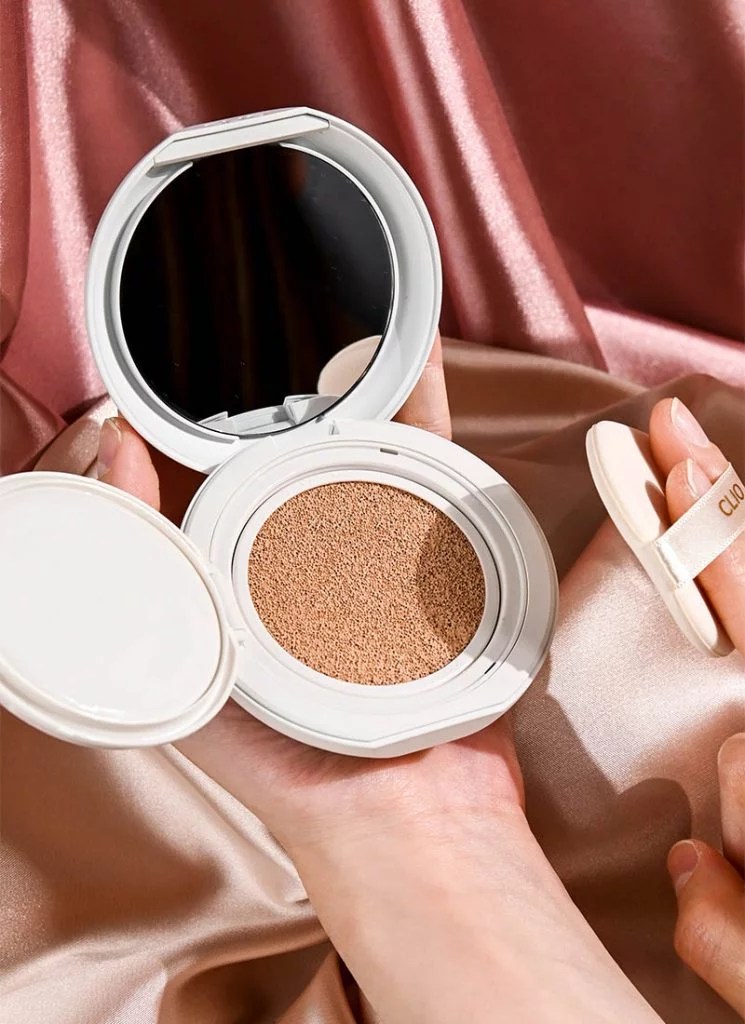
Let’s Talk Cushion Foundations
I feel like cushion foundations are one of those products that look really appealing online… but aren’t always explained well.
At first, I didn’t really get the hype. It just looked like foundation in a compact with a sponge. I thought it was more about convenience than performance.
But after trying a few, I realized cushion foundations are actually a completely different experience compared to liquid foundations.
They’re not just about coverage—they’re more about finish, ease, and how the skin looks in real life.
What Makes Cushion Foundations Different
The biggest difference is how they’re applied.
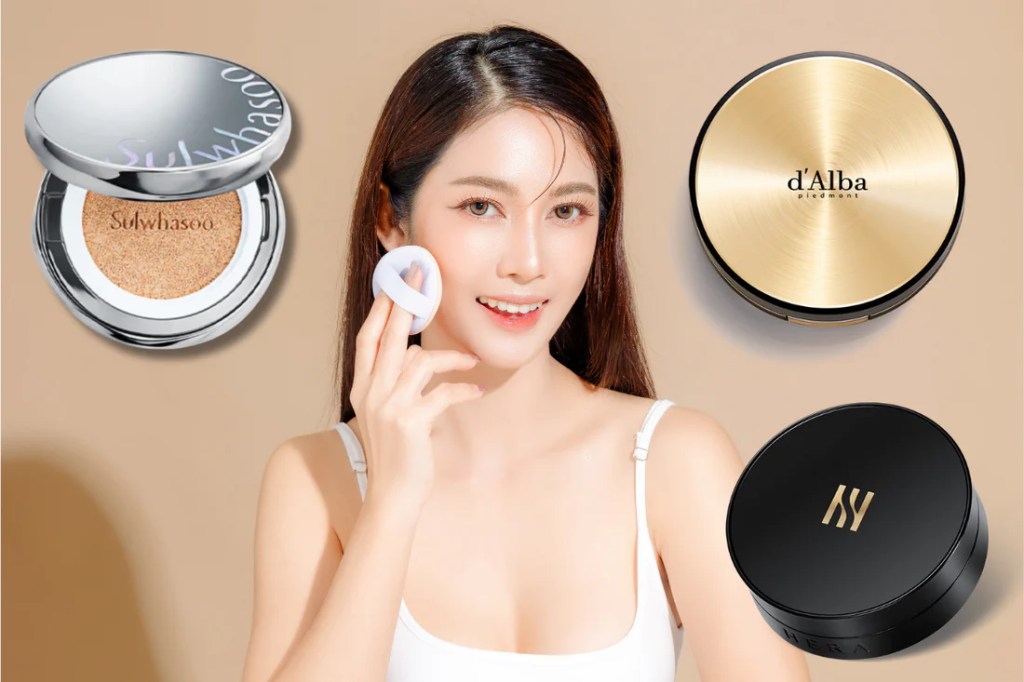
Instead of pumping product onto your hand or brush, the foundation is soaked into a cushion inside the compact, and you press into it with a puff. Then you tap it directly onto your skin.
It sounds simple, but the application changes everything.
Because you’re pressing the product into your skin instead of dragging it across, it tends to look more seamless and less “makeup-y.” It almost melts into the skin instead of sitting on top of it.
Also, most Korean cushion foundations are designed with a very specific goal:
to make your skin look healthy, smooth, and naturally glowy.
Not full coverage. Not matte. Not heavy.
Just… better skin.
What I’ve Been Noticing
After trying a few different cushions, a couple things stood out to me pretty quickly.
1. The finish is almost always more natural
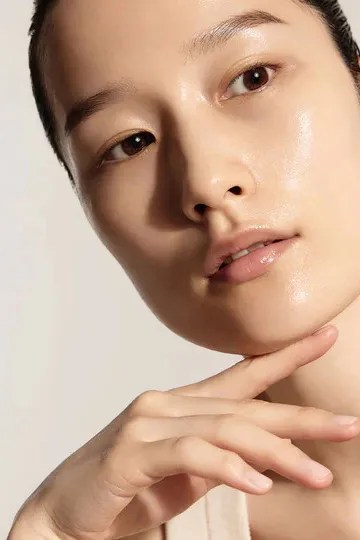
Even when they’re buildable, they rarely look thick. Most cushions lean toward a dewy or satin finish, which makes the skin look more alive.
2. Coverage is lighter than expected
If you’re used to full coverage liquid foundations, this might feel like it’s “not enough” at first. But I’ve started to appreciate that it evens out the skin without completely covering it.
3. Reapplication actually works
This surprised me. With liquid foundation, layering throughout the day can get patchy or heavy. But cushions are designed to be reapplied, and they tend to refresh the skin instead of ruining it.
4. They’re very skin-prep dependent
If your skin is dry or textured, cushions will show it. Since they’re usually more hydrating and glowy, they don’t hide texture—they reflect it.
Cushion Foundations I’ve Tried / Looked Into
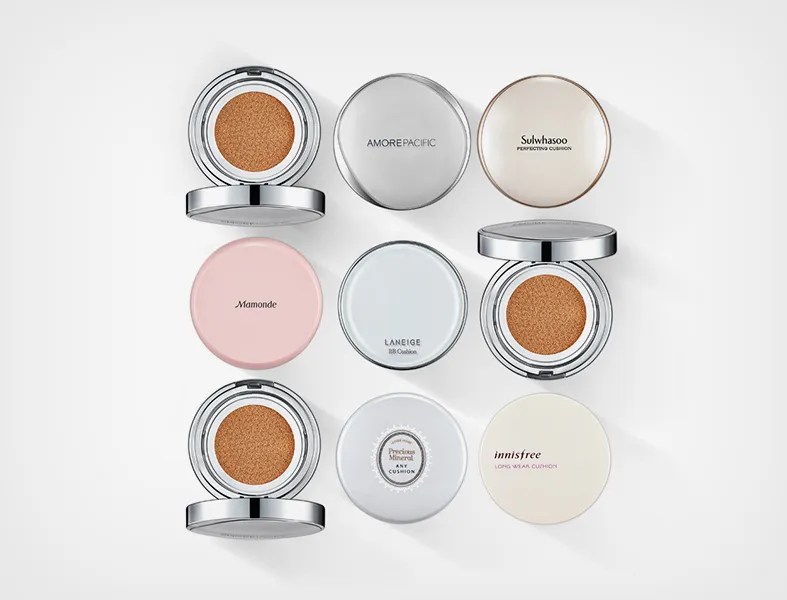
Here are a few that come up a lot and what I’ve noticed about them:
Laneige Neo Cushion (Matte / Glow)
This one is probably one of the most well-known cushions right now. The matte version is more controlled and smooth, while the glow version gives that glass-skin look. The finish is really refined, but the shade range is still somewhat limited.
HERA Black Cushion
Feels more high-end. It has better coverage than most cushions but still looks natural. This is one of the few that can lean slightly more “polished” without feeling heavy.
CLIO Kill Cover Cushion
This one is more coverage-focused compared to typical cushions. It’s still not full coverage like a traditional foundation, but it’s closer. Good if you want that cushion finish but need more evening out.
Innisfree Cushion
More on the lightweight, everyday side. It’s simple, easy to use, and good for a natural look, but not something I’d reach for if I wanted my makeup to last all day.
Pros (What I Like)
- Easy to use — no brushes, no mess
- Great for quick makeup — especially in the morning or on the go
- Skin-like finish — probably the biggest reason people love them
- Buildable in thin layers — doesn’t get cakey as quickly
- Convenient for touch-ups — everything is already in the compact
Cons (What Might Not Work for Everyone)
- Shade range is limited
This is probably the biggest downside. A lot of Korean cushions don’t cater to a wide range of skin tones yet. - Less coverage overall
If you prefer full glam or need heavy coverage, this might feel underwhelming. - Can get too dewy
Depending on your skin type, it can look shiny instead of glowy after a few hours. - Product runs out faster
Since it’s in a cushion format, it tends to dry out or get used up quicker than liquid foundation.
What I’m Realizing
Cushion foundations aren’t trying to replace liquid foundations—they serve a different purpose.
They’re more about:
- everyday wear
- quick application
- natural, effortless skin
I don’t reach for them when I want a full, perfected makeup look. But for daily makeup, especially when I don’t want to think too much, they make everything easier.
Also, I’ve started to understand why they’re so popular in Korean beauty.
The focus isn’t on covering your skin completely—it’s about enhancing it and making it look healthy.
Tips If You’re Trying Cushion Foundations
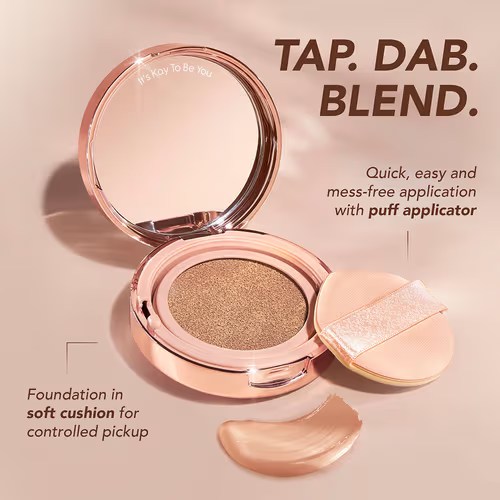
- Use a light tapping motion
Don’t drag the puff—press it into your skin for the best finish. - Start with a small amount
It’s easier to build than to fix too much product. - Focus on the center of your face first
Then blend outward for a more natural look. - Set only where needed
Usually around the T-zone, not the whole face.
Right Now
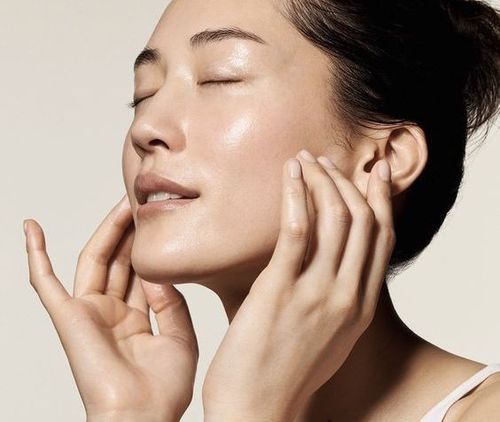
I don’t think cushion foundations will completely replace liquid foundations for me, but I understand them a lot more now.
They’re the kind of product that makes sense once you stop expecting full coverage and start appreciating how your skin actually looks.
Right now, I see them as something I’ll keep in rotation—especially for everyday makeup, quick touch-ups, or days when I just want my skin to look like skin, just slightly better.
 insightstogo.
Leave a comment