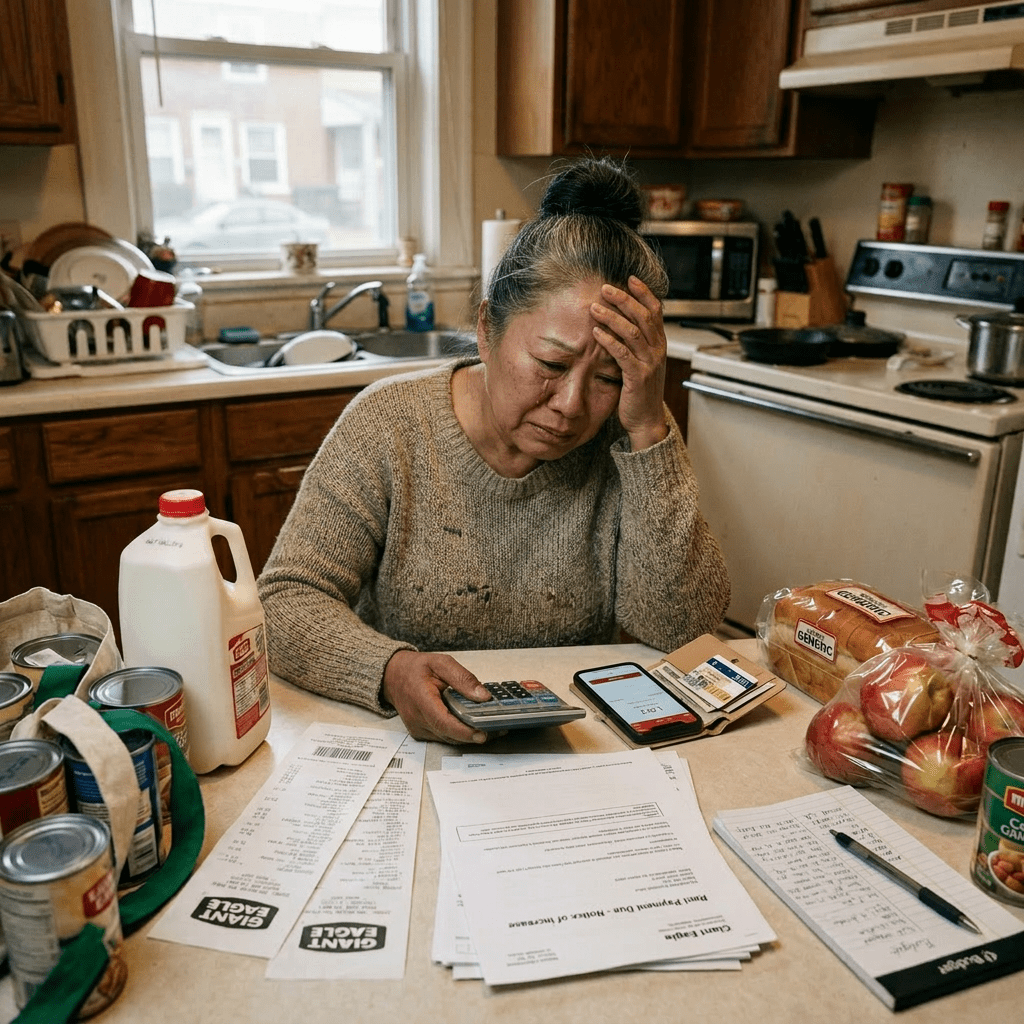
When people hear “economics,” they often imagine something distant—Wall Street, government policy, confusing graphs on the news.
But economics shows up in ordinary life constantly.
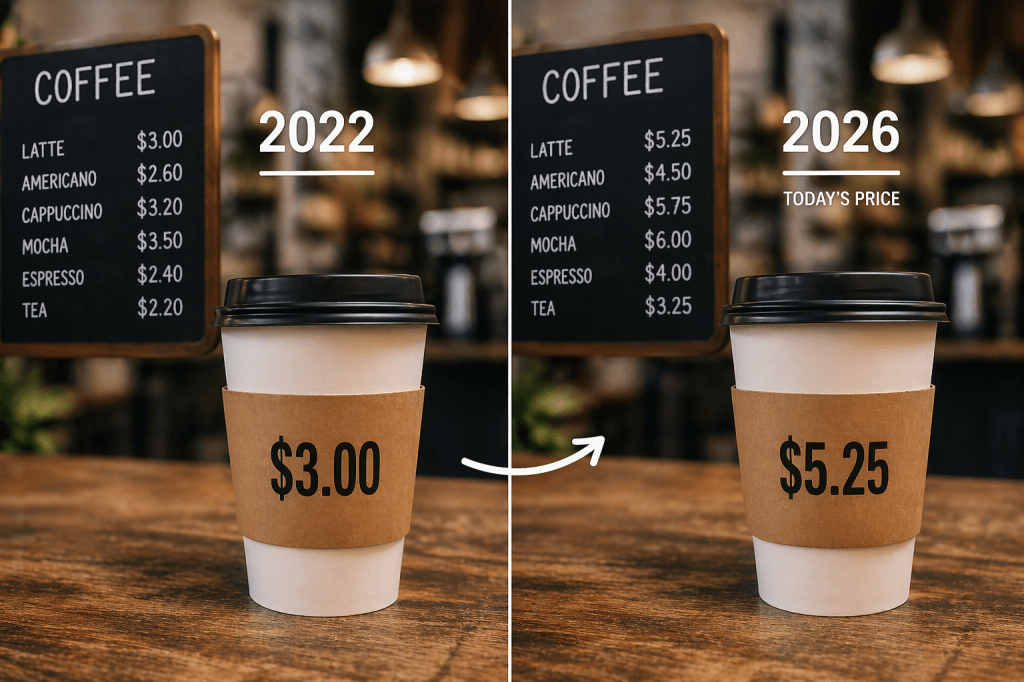
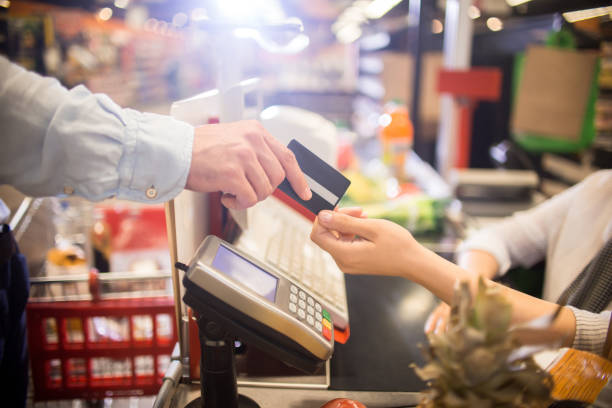
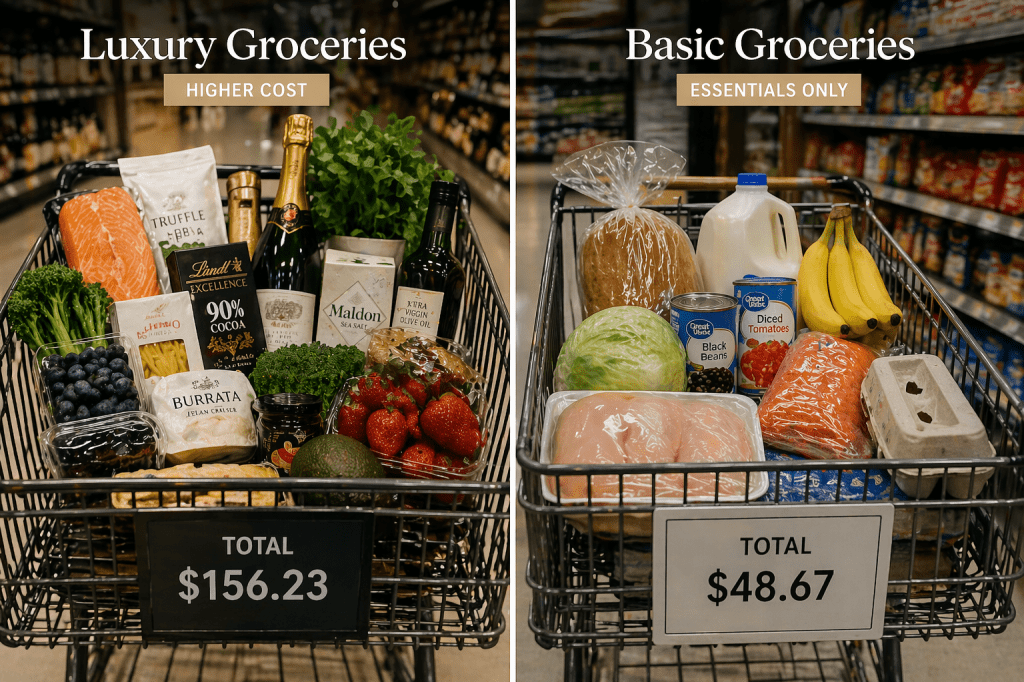
It shows up when your grocery total suddenly surprises you. It shows up when rent jumps at renewal. It shows up when your usual coffee order costs a dollar more than it did last year.
That’s why inflation is such a relatable place to start.
So What Is Inflation?
Put simply, inflation means prices rise over time.
Things cost more. And if incomes don’t rise at the same pace, people feel squeezed.
Most of us don’t need a textbook definition to recognize inflation—we feel it.
Why Does Inflation Happen?
Usually, it isn’t just one thing.
Sometimes demand rises faster than supply. More people want homes, but not enough housing exists, so rents climb.
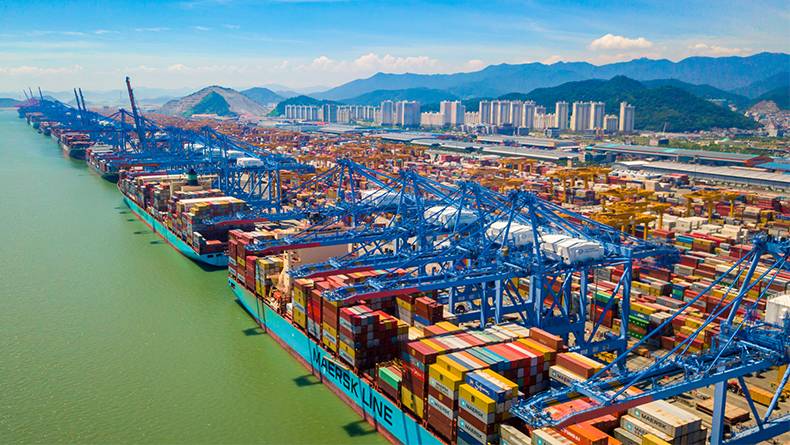
Sometimes businesses face higher costs—labor, shipping, ingredients, energy—and pass those costs on.
Sometimes outside events shake everything up. Supply chain problems, wars, droughts, energy shocks—these can all push prices upward.
Economics can sound abstract until you realize it often comes down to simple pressures: more demand, less supply, higher costs.
Why It Feels So Personal
Inflation hits emotionally because it touches necessities.
People may not follow monetary policy, but they notice:
- Groceries costing noticeably more
- Eating out becoming less casual
- Gas prices affecting weekend plans
- Rent taking up a larger share of income
It changes behavior. People cut back. They postpone purchases. They worry more.
That’s part of why inflation becomes not just an economic issue, but a social one.
Why Interest Rates Go Up
When inflation rises too quickly, central banks often raise interest rates to slow spending.
The logic is straightforward: if borrowing becomes more expensive, demand may cool, which can ease pressure on prices.
That can affect:
- Mortgage rates
- Credit card debt
- Business borrowing
- Consumer spending
Even people who never think about interest rates can feel their effects.
Inflation Doesn’t Affect Everyone the Same
This is something people sometimes miss.
Inflation creates uneven outcomes.
Someone with rising wages may absorb it more easily. Someone on a fixed income may struggle. Asset owners may even benefit in some environments, while savers lose purchasing power.
That’s part of what makes inflation not just about prices, but about inequality too.
Why Economics Matters
What I find interesting about economics is that it often explains things we experience but don’t always have language for.
Why is housing expensive? Why do prices rise after global disruptions? Why do policy decisions affect everyday budgets?
These aren’t just political questions. They’re economic ones.
And understanding them makes the world feel a little less random.
Final Thought
Economics isn’t only about experts talking in jargon.
It’s about how people live. How far income stretches. What feels affordable. What feels uncertain.
Inflation makes that visible.
And once you start seeing economics through everyday life—not just through headlines—it becomes much more interesting.
 insightstogo.
Leave a comment