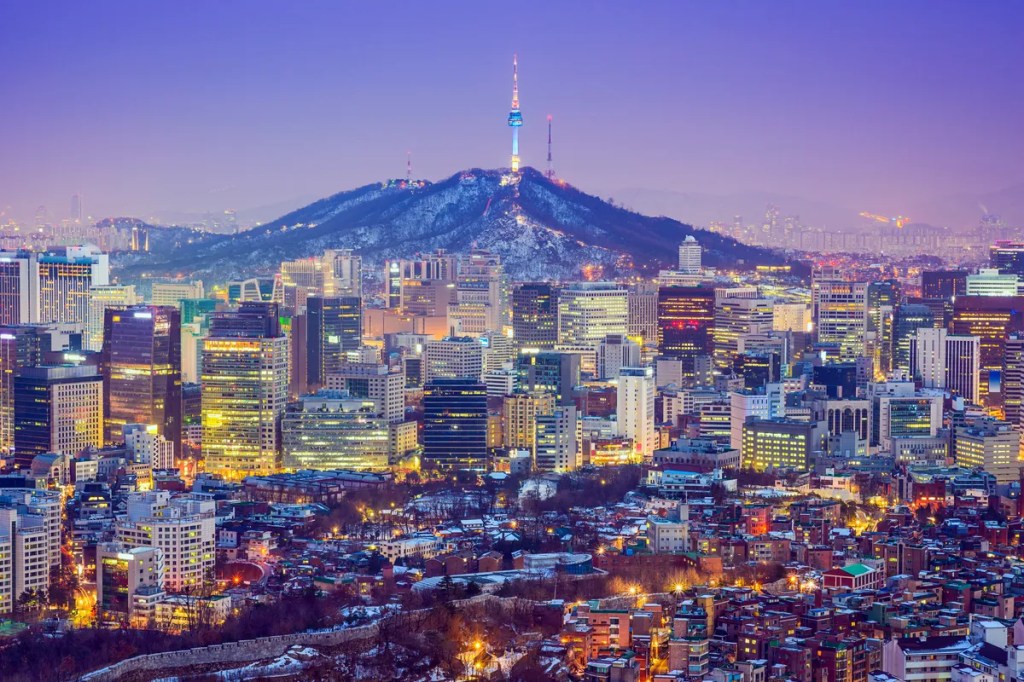
Kyoto feels completely different from most cities I’ve been to.
It’s quieter, slower, and more grounded in a way that’s hard to explain until you’re actually there. It doesn’t try to grab your attention right away. Instead, it kind of unfolds slowly as you spend more time in it.
Compared to faster cities like Seoul or Tokyo, Kyoto feels like it moves at its own pace. Not in a boring way—but in a way that makes you automatically slow down without really thinking about it.
I don’t think Kyoto is a place you try to “check off” or rush through. It’s more of a place you experience in small moments: walking through quiet streets, stumbling into a café, or turning a corner and suddenly seeing a temple you weren’t expecting.
This trip didn’t feel like I “figured Kyoto out,” but I did start to understand what makes it special.
First impression: slower than expected (in the best way)
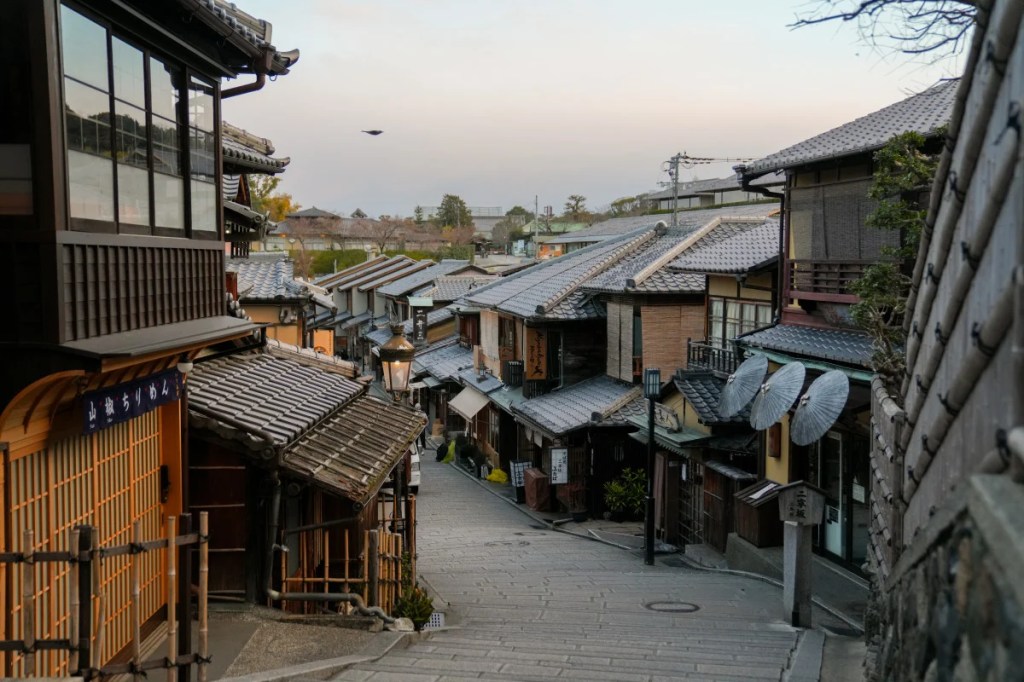
When I first arrived, I noticed how calm everything felt.
Even in areas that were technically busy, it didn’t feel overwhelming. There wasn’t the same constant noise, bright signage, or fast movement you get in larger cities. Instead, things felt spaced out—like the city naturally gives you room to breathe.
At first, I wasn’t sure how I felt about that. I think I’m used to cities that feel energetic right away. But Kyoto doesn’t work like that. It takes a little time to adjust, and once you do, it starts to feel really peaceful in a way that grows on you.
One thing I quickly realized is that walking is a big part of the experience here. You’re not rushing between major landmarks. You’re just moving through neighborhoods, noticing small details you would normally miss.
That ended up being one of my favorite parts of the trip.
Gion: the most “Kyoto” feeling area
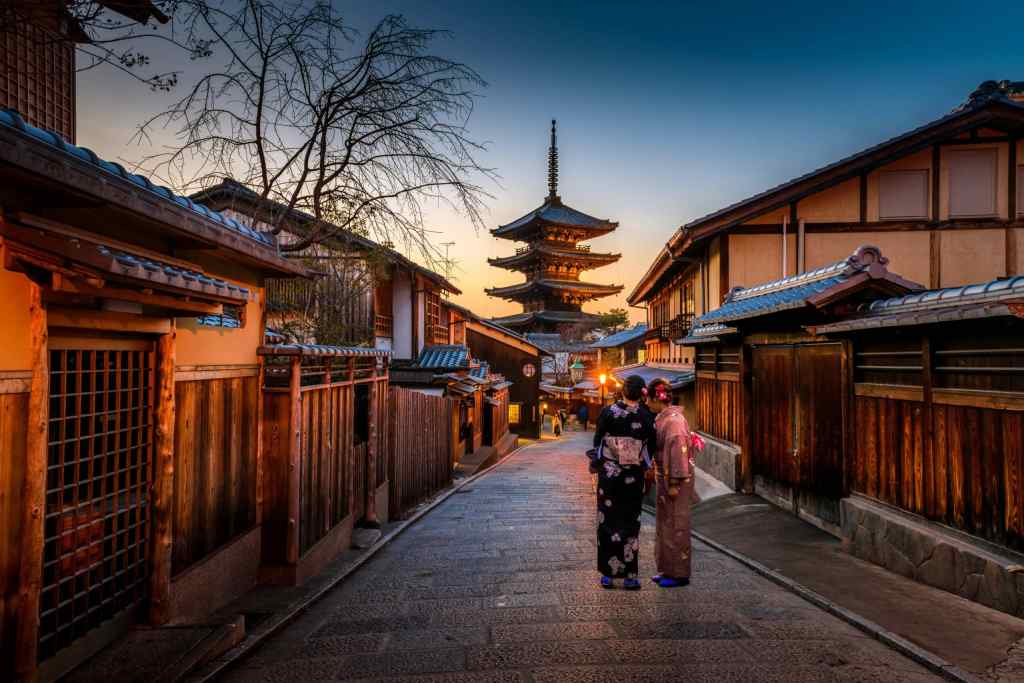
Gion is probably the area most people associate with Kyoto, and it does live up to that expectation visually.
You see traditional wooden buildings, narrow streets, and small alleyways that feel like they’ve been preserved for a long time. There’s a very specific atmosphere here that feels almost timeless.
But what surprised me is how different it feels depending on the time of day.
During the afternoon, it can get quite busy with tourists. It still looks beautiful, but it feels more crowded and less peaceful. Early mornings or later evenings are completely different though. That’s when the streets feel quieter, and you can actually take your time noticing things.
I liked Gion most when I wasn’t rushing. Just walking slowly, looking into side streets, and not trying to go anywhere specific.
It’s not really a place you “do”—it’s more a place you experience while moving through it.
Arashiyama: beautiful but timing matters
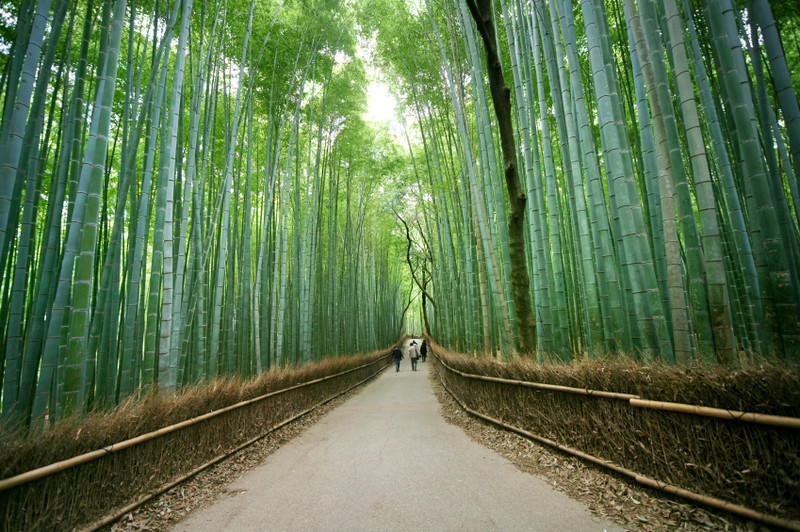
Arashiyama is one of the most well-known areas in Kyoto, especially because of the bamboo grove.
And yes—it really is beautiful in person. The tall bamboo, the filtered light, and the narrow paths make it feel very different from anything else in the city.
But it’s also one of the busiest places I went to.
If you go at peak hours, it can feel crowded in a way that takes away from the calm atmosphere you might expect. I think timing makes a huge difference here. If I went again, I would go very early in the morning before it gets busy.
Outside of the bamboo grove, the whole area is actually really nice to explore. There’s a river, small bridges, and more open space compared to central Kyoto. It feels a bit more nature-focused and less dense.
It’s definitely worth visiting—but I wouldn’t treat it as a quick stop. It’s better when you give yourself time to walk around slowly.
Higashiyama: my favorite area to wander
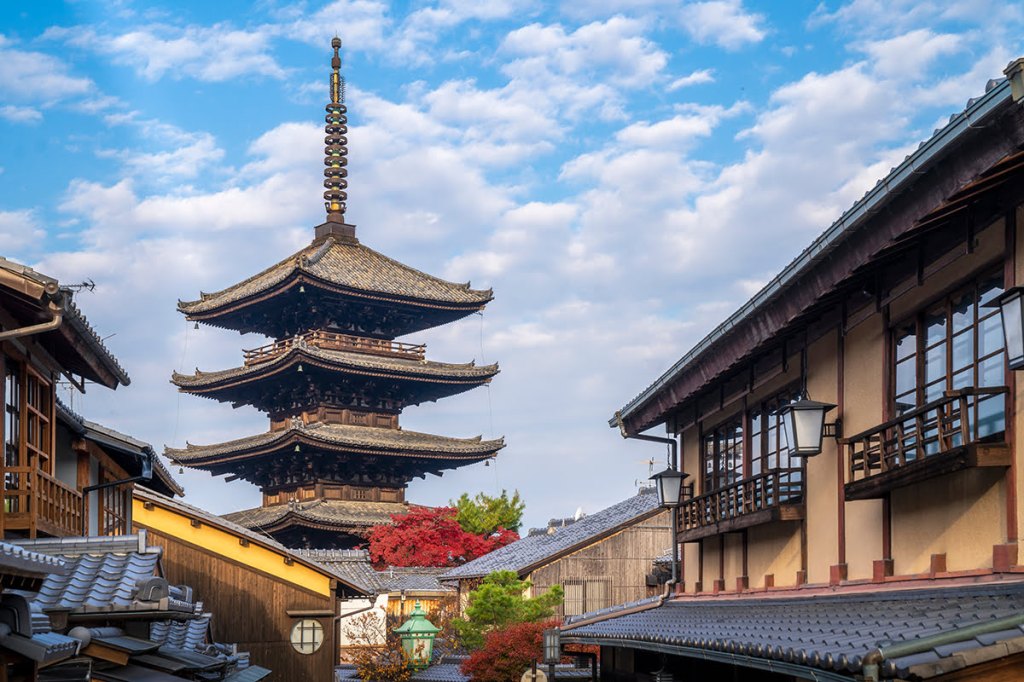
Higashiyama ended up being my favorite area overall.
It has a mix of traditional streets, small shops, cafés, and quieter side paths that feel really peaceful once you step away from the main roads.
What I liked most about it is that it doesn’t require a plan. You can just start walking in one direction and naturally end up discovering things along the way.
Some streets are more popular and lively, but if you turn into smaller alleys, it becomes quiet almost immediately. That contrast is what makes it so interesting.
I also found some of my favorite cafés here just by walking around with no intention of finding anything specific. Those ended up being some of the best moments of the trip.
It’s the kind of place where slowing down actually feels natural, not forced.
Food + cafés: simple, calm, and really intentional
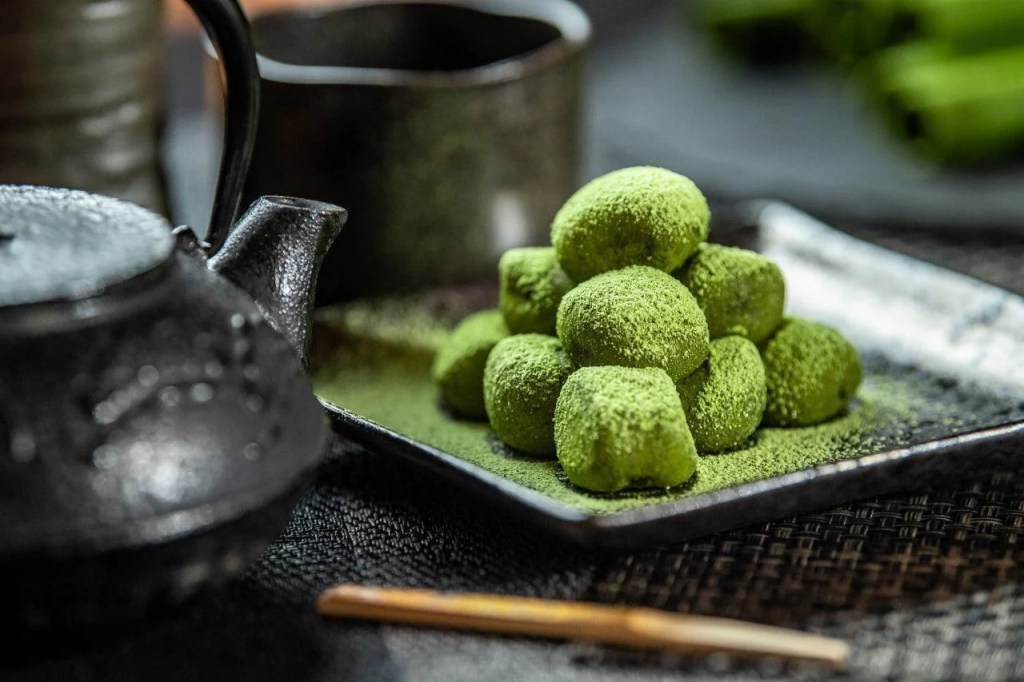
Kyoto’s food scene feels different from other cities I’ve been to.
It’s not loud or overly experimental. Instead, it feels very focused and intentional. A lot of places seem to specialize in doing one thing really well rather than offering huge menus.
Some things that stood out to me:
- matcha desserts that are rich but not overly sweet
- small, quiet restaurants that feel very local
- cafés that feel designed for sitting and staying, not rushing
- meals that feel balanced and simple rather than heavy
Even convenience or casual meals felt more thoughtful than expected.
One thing I really liked was how cafés here don’t feel rushed. People sit for long periods, read, talk, or just spend time without constantly coming and going. It creates a very different atmosphere compared to busier cities.
The overall pace of Kyoto
If I had to describe Kyoto in one way, it would be this: it’s a city that doesn’t rush you.
At first, I wasn’t sure how to interpret that. I think I’m used to feeling like I need to maximize time when traveling—seeing as much as possible in a short period. But Kyoto doesn’t really reward that approach.
Instead, the more time you spend slowing down, the more you notice.
Things like:
- how quiet mornings feel
- how peaceful neighborhoods are in the evening
- how easy it is to just walk without an agenda
- how much detail exists in simple places
It’s not a city that constantly gives you “wow” moments. It’s more subtle than that. But that subtlety is kind of what makes it memorable.
A few things I wish I knew before going
Nothing major, just small things that would’ve helped:
- popular areas get crowded quickly, so timing matters a lot
- you don’t need a packed itinerary every day
- walking is one of the main ways you’ll experience the city
- some of the best places aren’t planned—they’re just found
I think I started the trip trying to structure everything, but the best parts ended up happening when I wasn’t overthinking it.
Final thoughts
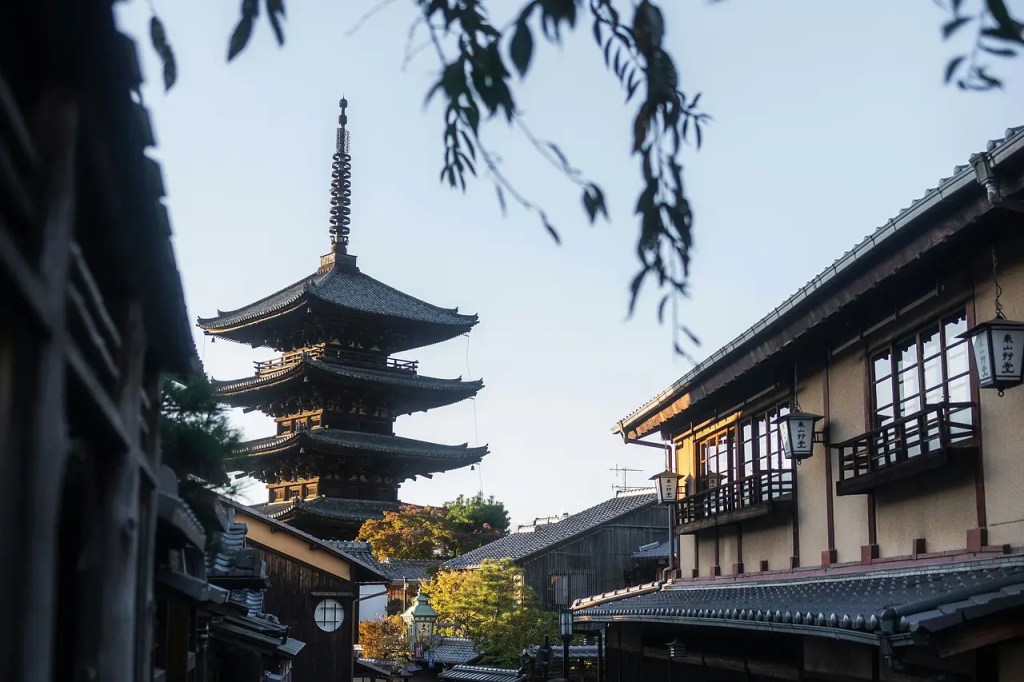
Kyoto isn’t a city I would describe as fast, flashy, or overwhelming.
It’s quiet, thoughtful, and steady in a way that takes time to appreciate.
It’s not really about ticking off landmarks or moving quickly from place to place. It’s more about how you feel while you’re there—how you move through it, and how much you allow yourself to slow down.
If I went back, I would probably:
- spend more time in fewer areas
- revisit places at different times of day
- leave more empty space in my schedule
- walk without a destination more often
Kyoto is the kind of city that makes more sense the less you try to control it.
And I think that’s exactly why it stays with you.
 insightstogo.
Leave a comment