Most people can’t really explain it, but they feel it.
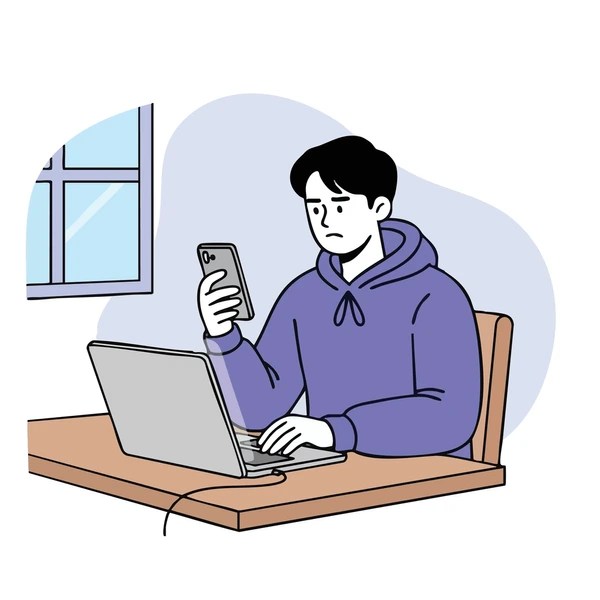
It’s not exactly stress, and it’s not exactly tiredness. It’s more like your brain is always slightly full. Even when nothing is really happening, there’s still this low-level sense that something is pulling at your attention.
That’s what overstimulation feels like.
And for a lot of people, it’s just become normal.
Constant input has become the default
There was a time when being “idle” was normal.
You’d wait for things without doing anything else. You’d sit in a car or a queue or on a walk and just… be there. Not every moment needed to be filled.
Now it’s almost the opposite.
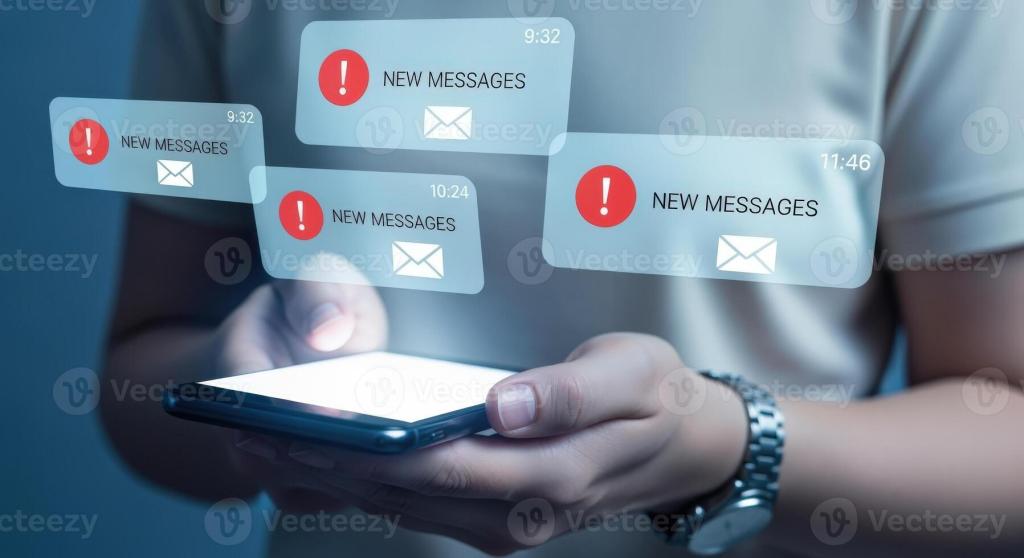
If there’s even a small gap in the day, it gets filled immediately:
- scrolling for a few minutes
- checking messages
- watching something short
- switching between apps without thinking
It doesn’t feel like a big change in the moment. But over time, it adds up.
Your attention never really gets a break.
Why you can feel drained without doing much
This is the part that confuses people.
You can have a “relaxing” day—no major work, no real pressure—and still feel mentally tired.
That’s because your brain isn’t actually resting.
It’s constantly switching:
what to look at, what to respond to, what to ignore next.
Even small decisions use up attention. And when that’s happening all day, you don’t notice it building up until later.
It’s hard to focus on one thing for too long
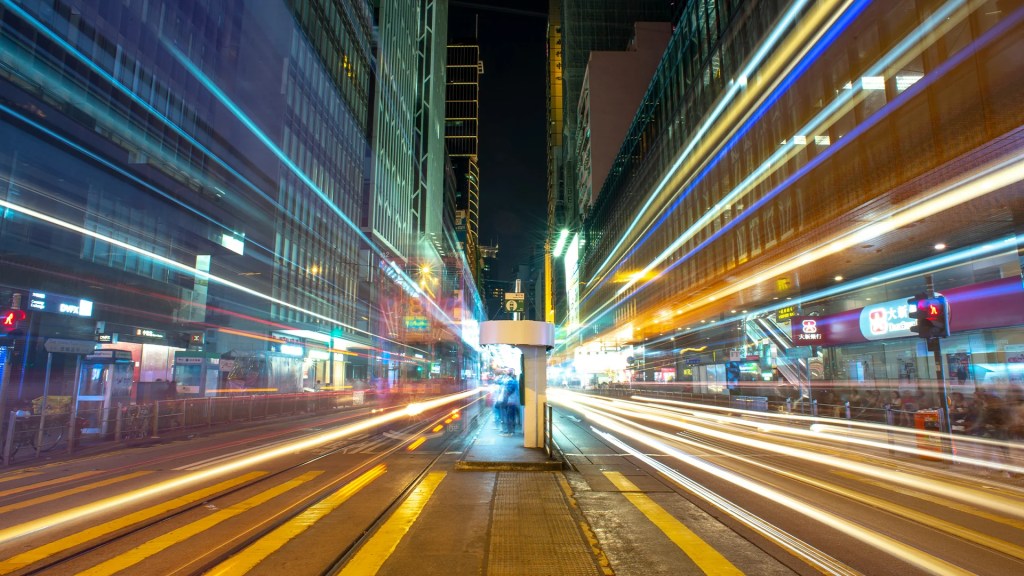
One of the biggest changes is how attention works now.
It’s not just that we get distracted more easily—it’s that focusing on one thing starts to feel unnatural after a while.
You watch something, then feel the urge to check something else. You start a task, then switch midway without really thinking about it.
It’s not intentional. It’s just the environment we’re in.
Everything is designed to move quickly.
Silence feels different now
A lot of people notice this but don’t talk about it much.
When things go quiet—when there’s no video playing, no music, no phone in hand—it can feel slightly uncomfortable.
Not because silence is bad, but because it’s unfamiliar now.
Your mind immediately looks for something to fill it again.
That reaction says a lot about how used we’ve become to constant input.
It’s not just technology, but it makes it worse
Phones and social media usually get the blame, and they’re part of it—but not the whole story.
Life in general has sped up:
- faster communication
- more things to keep up with
- constant updates and news
- pressure to respond quickly
Technology just makes all of that harder to escape.
There’s less and less time where nothing is asking for your attention.
The feeling it creates over time
Over time, overstimulation doesn’t always feel dramatic. It just becomes a background state.
People often describe it as:
- feeling mentally scattered
- struggling to stay focused
- not fully enjoying things even when they’re good
- always wanting a small distraction
- feeling “switched on” even when resting
It’s subtle, but constant.
Why it matters
The issue isn’t just that we’re busy.
It’s that attention itself feels harder to hold onto than it used to.
And when attention becomes fragmented, everything else follows—how we think, how we rest, how we experience everyday life.
You don’t really notice it happening in real time. It just slowly becomes your default.
Final thought
Maybe the biggest change in modern life isn’t that there’s more to do.
It’s that there’s almost never a moment where nothing is asking for you.
Overstimulation isn’t always loud or obvious. Most of the time, it just feels like normal life.
Until you remember it didn’t always feel this way.
 insightstogo.
Leave a comment